Eikund – September 2026
Who was Fredrik A. Kayser?
A conversation with his daughter, Eva Hildrum
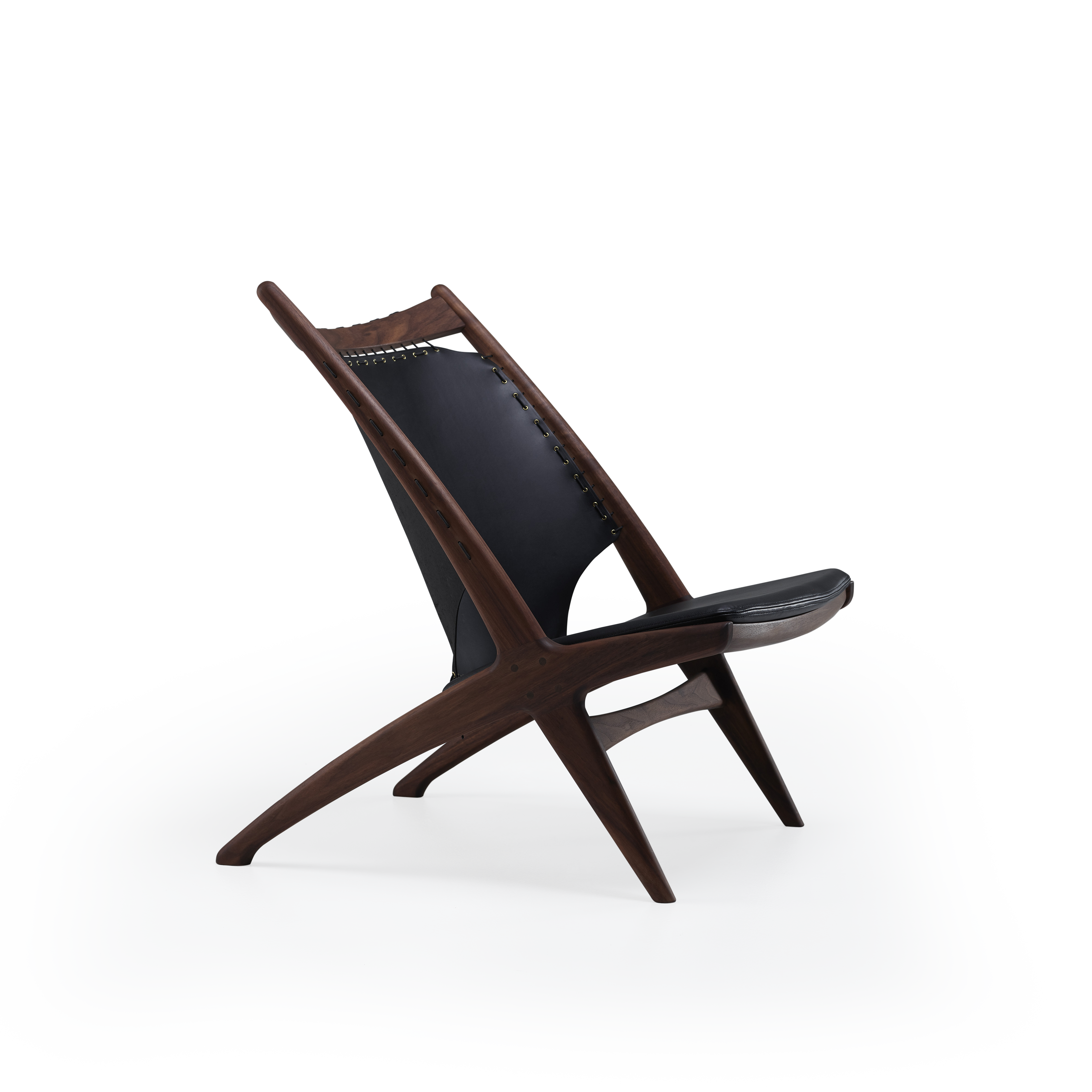
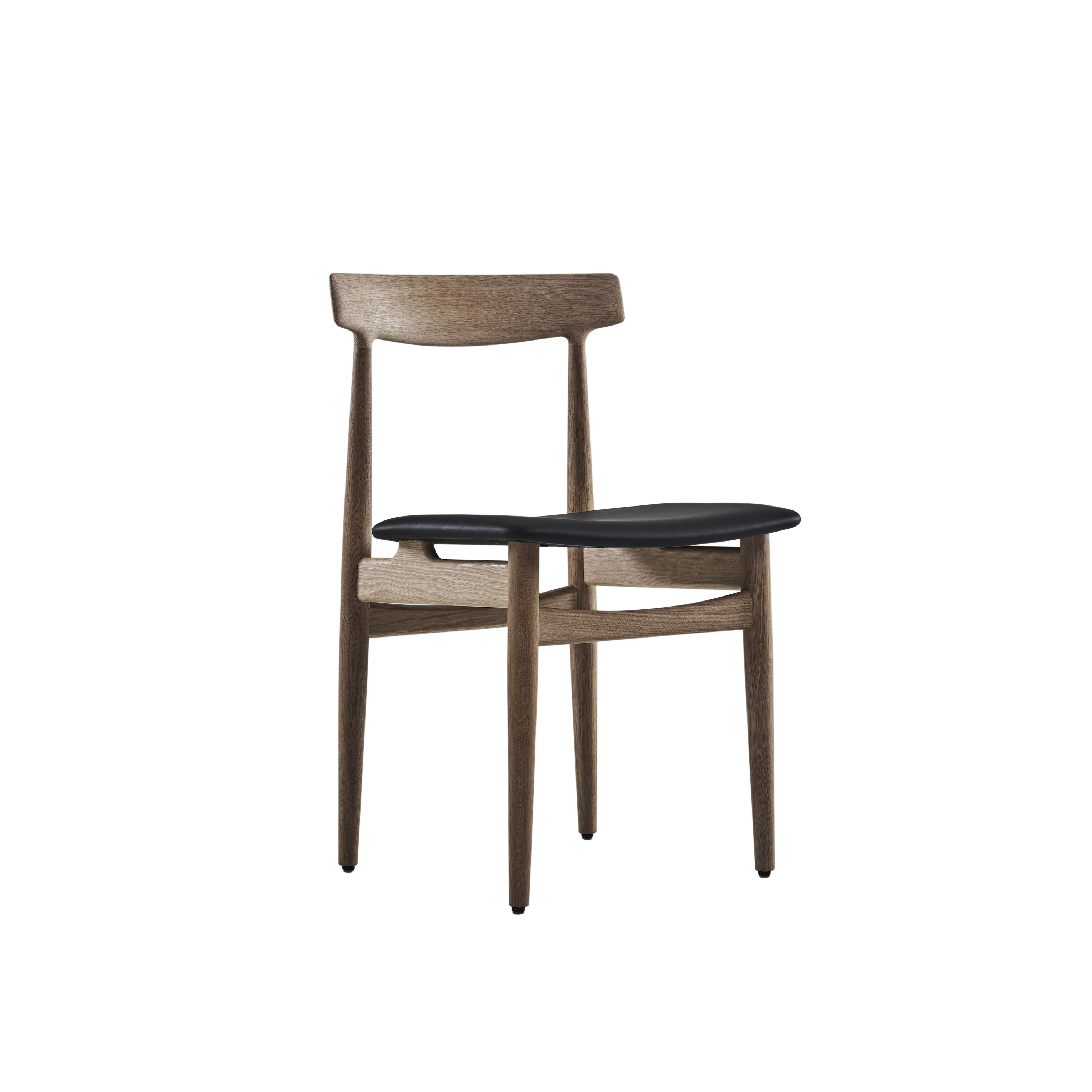
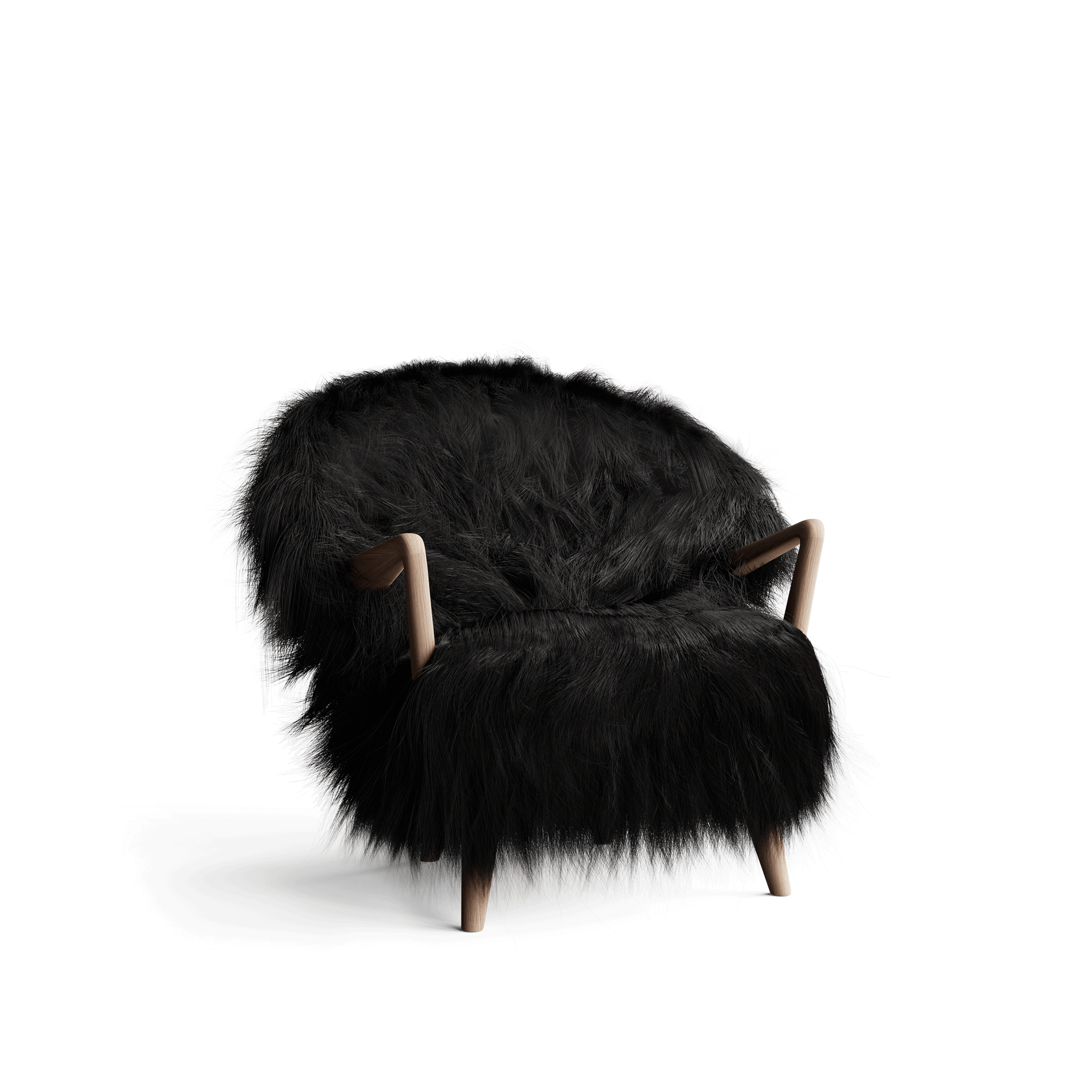
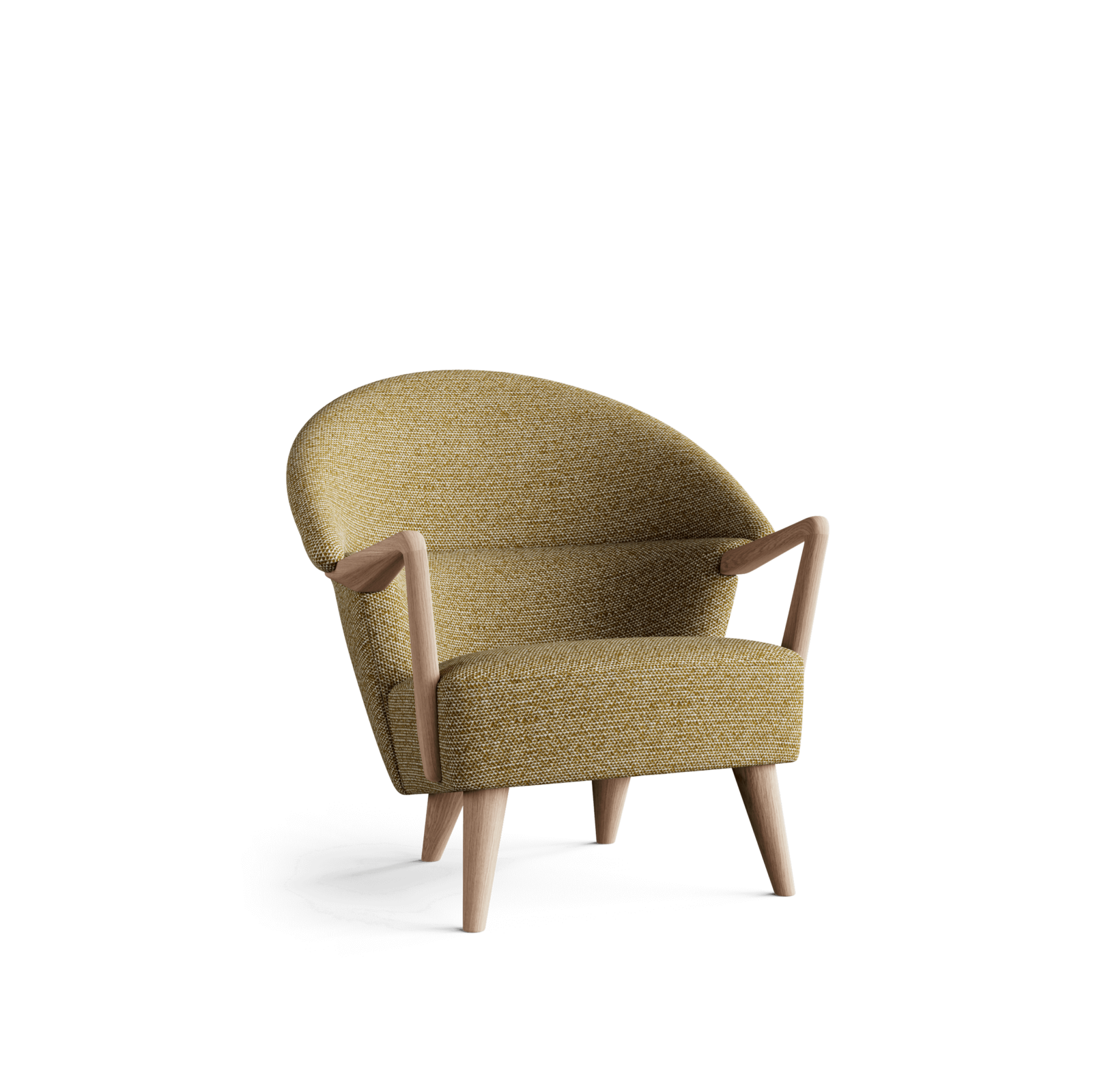
Fredrik Andreas Kayser: A renowned name within the Norwegian design heritage, where his work is often described as timeless though still rooted in the mid-century design movement. The definition of a classic. There’s almost something mysterious about how much Fredrik Kayser managed to create. He died at just 44 but left behind an enormous body of work. Going through the archive, you get the sense of someone who was constantly drawing and developing new ideas.
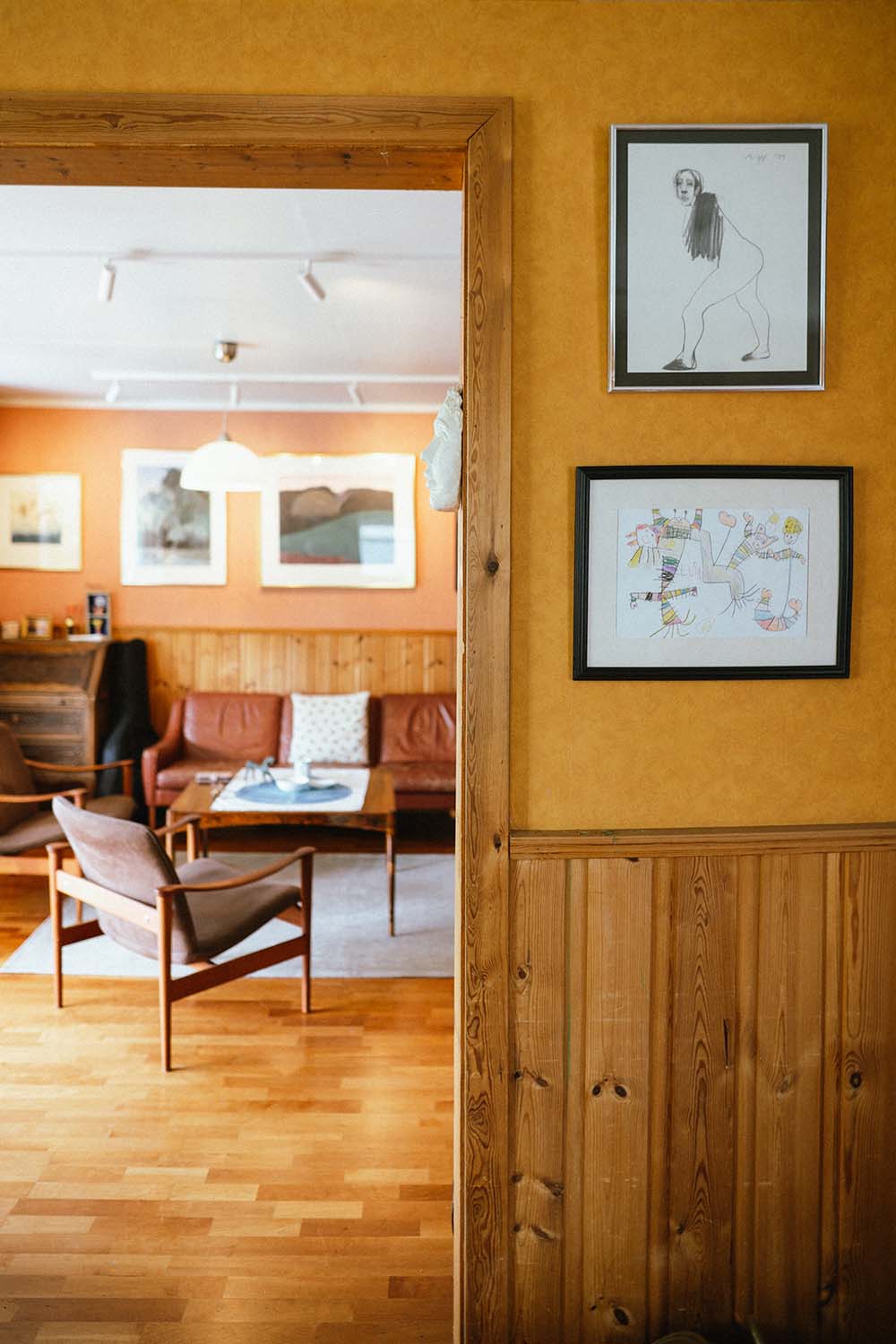
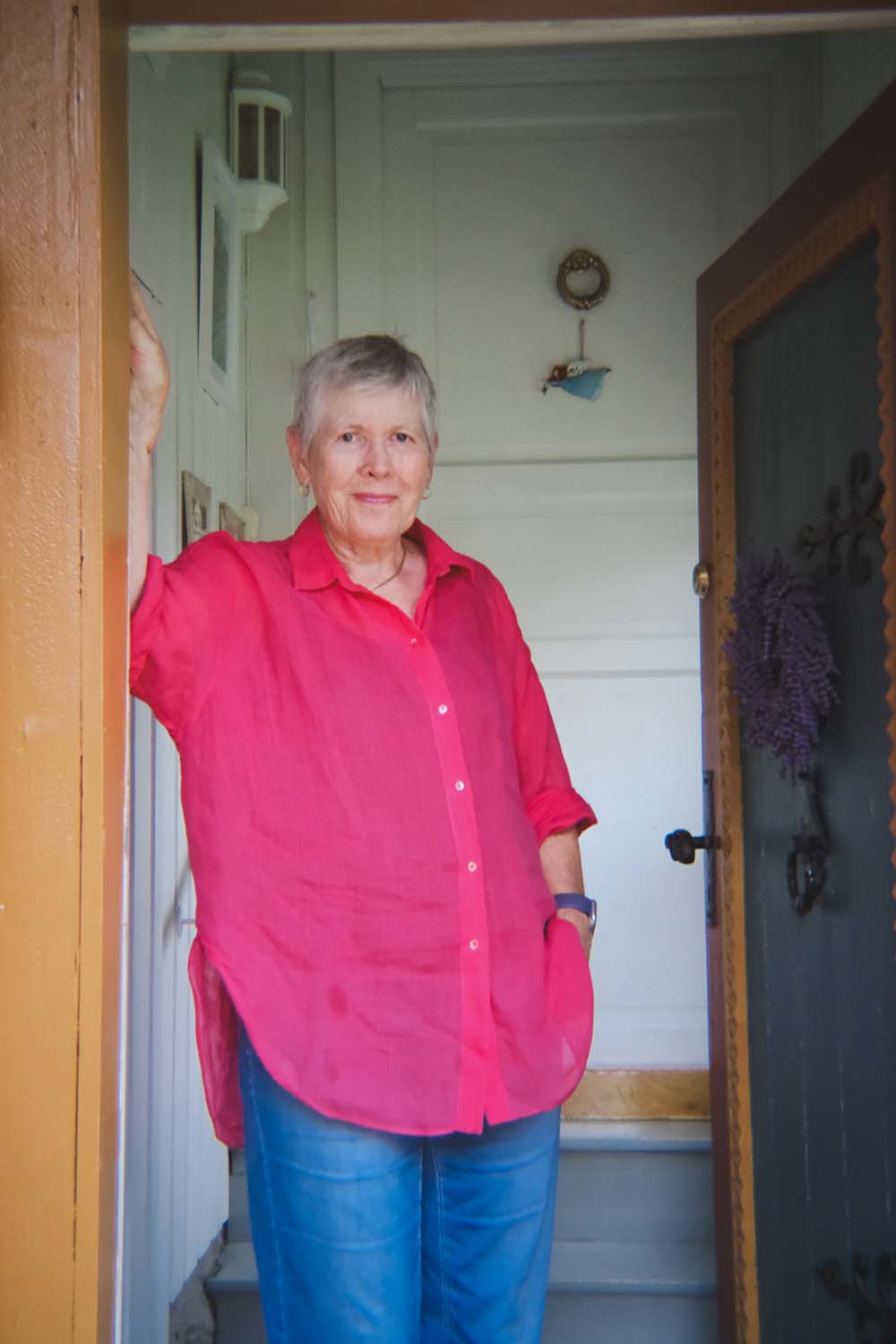
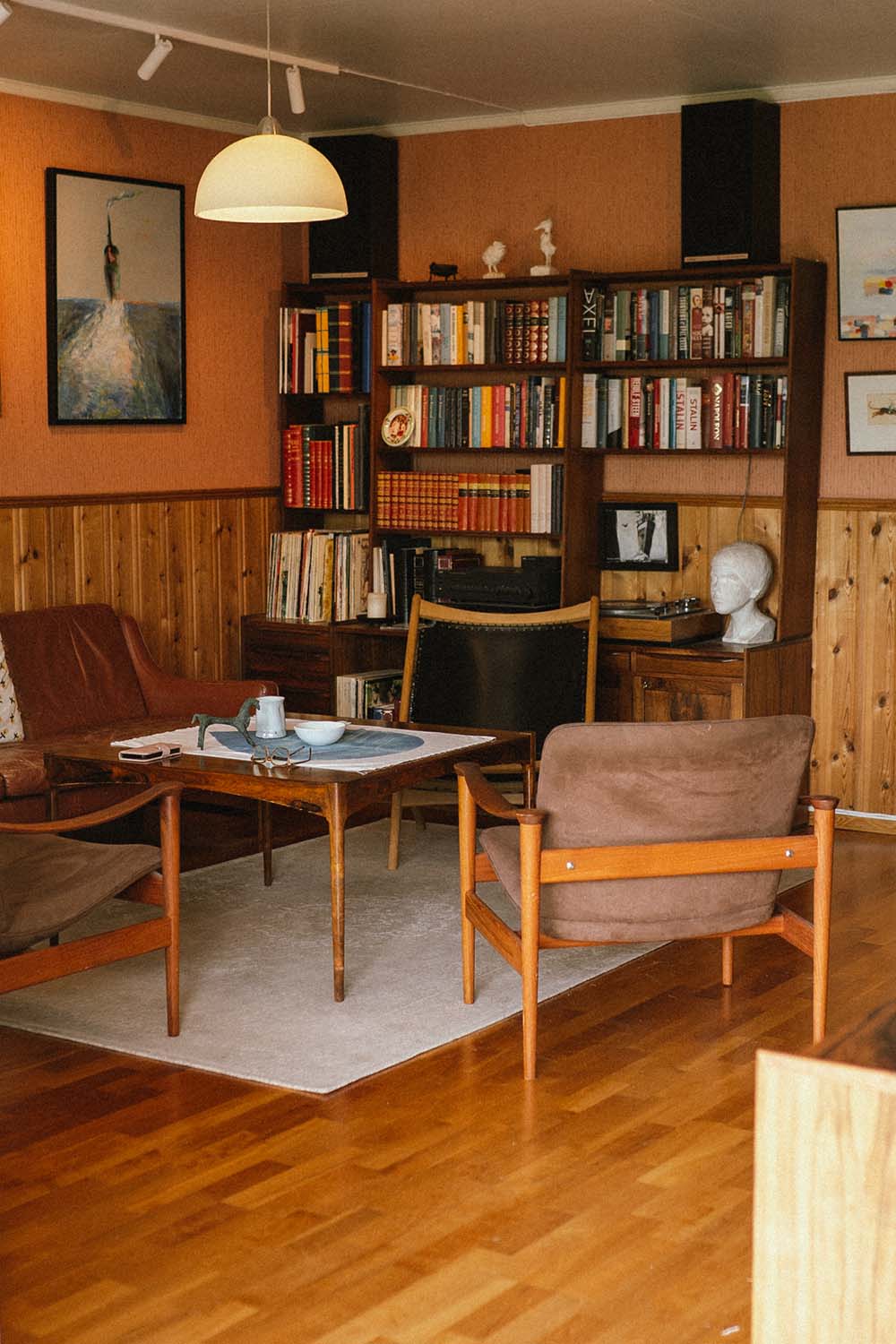
We visited the home of his daughter, Eva Hildrum, to have a conversation about her father, and a peak into her home of carefully selected Kayser furniture.
Eva, Who was Fredrik Kayser?
Well, to me he was first and foremost my father. Beyond that, it’s hard to pin it down to one thing. He died very young, but he still managed to leave a mark behind.
He was extremely determined, from very early on; when he was fourteen, he took his bicycle and a small tent and cycled alone from Bergen to Oslo. Fourteen years old, over the mountains. The following year he did the same, as far as Denmark I believe, entirely on his own.
He had a great need for freedom. If there was one thing he really disliked – and it was probably part of the reason he left Rastad & Relling – it was having someone else decide over him. He didn’t like that. So, he moved out early, and he wasn’t going to be provided for by anyone, he would manage on his own. He was sixteen when he sold his first dining room.
He was also what we would call introverted today: very thoughtful, very focused on whatever he was working on, and very devoted to us, the family.
Did you see him work, or was that something he did apart from you?
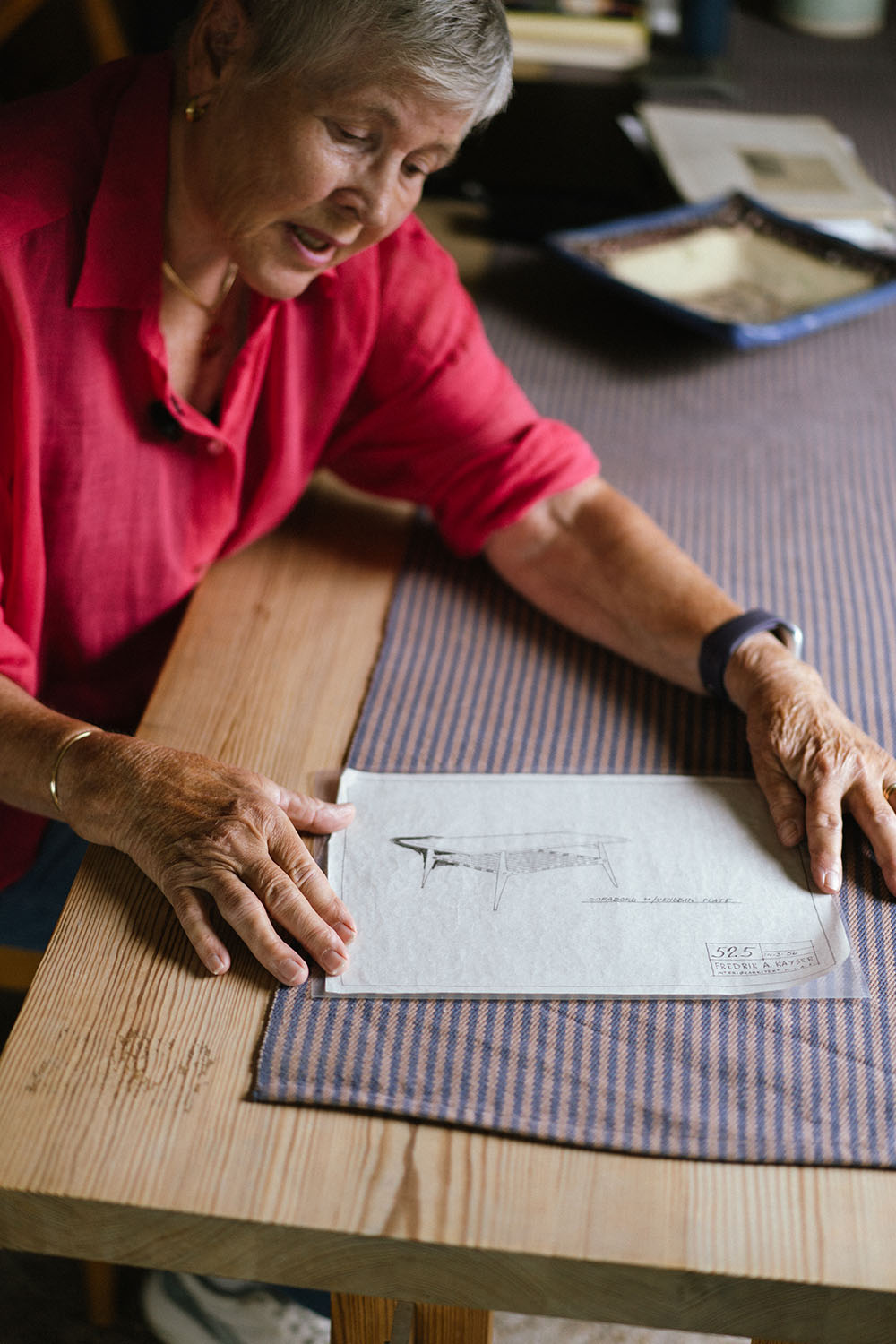
We were part of his work to the very core. He worked mostly at home. He sat at home with a drawing machine – they don’t exist any more. Drawing, and discussing things mostly with my mother. My mother was an artist, a sculptor, but also very good at furniture design. She was very artistically inclined, and they talked a great deal about these things. But it wasn’t a matter of him saying, “Aha, I’ve had an idea, now I’ll make it.” It was more a continuous process, an idea developing. And they were both at home. She worked at home, he worked at home. We children came and went; there was no nursery or anything like that in those days, so we were simply there.
What was his process like?
He had masses of commissions, and when he was given one, he responded to it. Even if it was a school kitchen; he drew all sorts of things. He never said no to anything, certainly not in the early years. He couldn’t afford to. We had very little money.
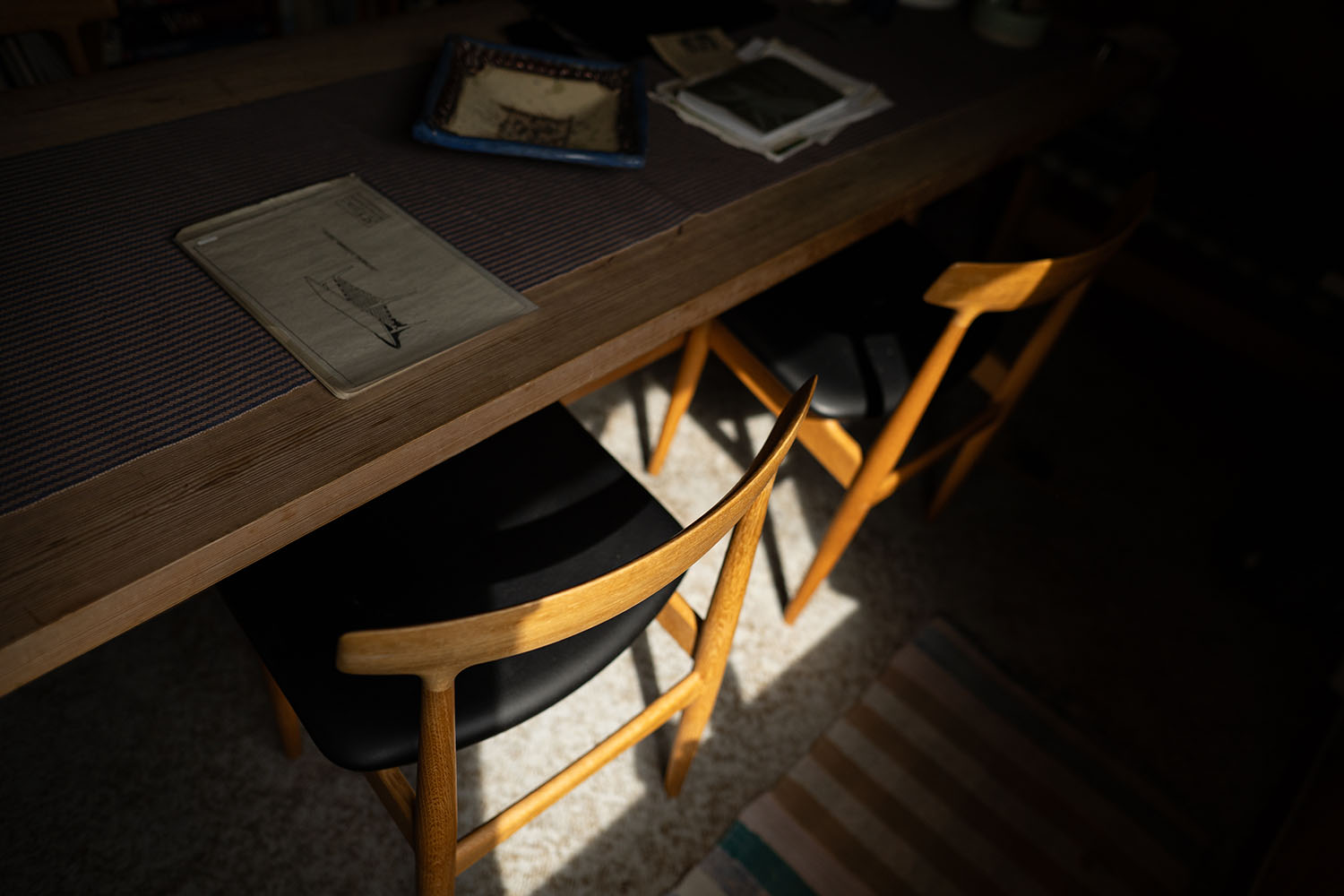
In those early days design wasn’t recognised – it wasn’t something anyone would pay for. The furniture makers made the furniture themselves, like the chair I showed you that he made himself, and most people didn’t spend money on design. That came a little later. Rastad & Relling were a wonderful pioneering firm in exactly that respect.
Is that why he started out as a cabinetmaker himself, because that was the way in?
Yes. I think design simply wasn’t a subject at the time. He grew up in a furniture family; my grandfather was a furniture dealer with a large network. So, for my father it was a given that he would work with furniture, and natural to begin by learning the craft from the ground up. You can see it in his furniture afterwards – that he knew his craft from the bottom up.
He never thought about design alone. First, he thought about the construction – the craft itself. Then he thought about the design. Then he thought about production and mass production. And not only that: he thought about how the piece would be transported. How does it get from the factory to the shop, and can we do it internationally? He was concerned with the whole process, from the moment a commission or an idea began, to the piece standing in the showroom, sold.
Do you remember a point when you felt he was becoming recognised as a great designer?
Yes, I remember it. Because money had always been scarce. We had to live with my grandmother, up on the first floor, because we couldn’t afford rent. So I remember very well that when he began to be recognised, the money came, and we could buy our own house. That was in 1960 – so around that time is when I began to understand that things had changed. And he did too, not least. Though he always believed it would go well. He was never in doubt about it, but there were years that were genuinely lean. And then the money started coming in.
That was the late fifties, 1955; that’s when he left Rastad & Relling. And then the commissions really began to arrive. It was obviously a big change for us children that we could move into a house of our own – that it wasn’t so difficult with money all the time.
It’s very fascinating the fact that he never doubted it would go well through it all.
No, he was completely certain of success. He was a quiet, modest man. He never pushed himself forward, but he was utterly convinced of his own excellence, so to speak, when it came to precisely this. He knew what he could do. He knew what he was standing for. He was completely certain it would go well.
Even during the time when he ran a factory at Åstveitskogen outside Bergen (1947 to 1952), they produced bedroom furniture among other things — a drop-leaf table, a small desk, a number of tables. When he set up that factory he was twenty-two or twenty-three, and it looked promising. . But then he was called up — this was just after the war — for two years’ compulsory national service at Ulven camp. He had hoped he would manage to run the factory from a distance, but it didn’t work. He was at the camp the whole time. It didn’t work at all. They had to file for closure of the factory and lost everything: house, home, possessions. So we had to move into the attic at my grandmother’s.
These things probably aren’t part of the story of Fredrik Kayser — that he was so incredibly optimistic that he set up a factory when he was that young.
That internal drive — it is almost as if he was born with it.
He probably was. And I remember this very well: he was never, ever in any doubt. He was absolutely certain that what he did was good. And it was. He was quite right.
It was quite extraordinary. Though one does wonder, when people die as early as that – whether there is some kind of drive in them that almost burns them out. He drove himself terribly hard, of course. He died of cancer, an illness he would clearly have survived today. But back then they simply didn’t have the medicines and the possibilities they have now. So, he was ill for two years, and then he died. I was twenty.
I was fascinated by that too, you almost think a person arrives with a mission.
Yes, I have thought the same myself. He was very gifted in a great many fields. He was an accomplished musician too, he played the fiddle and the mandolin. He drew everything imaginable, and he was fond of animals. So yes, I have thought the same: that there is something strange in it, that he was given so terribly much because it was never intended that he should be here very long.
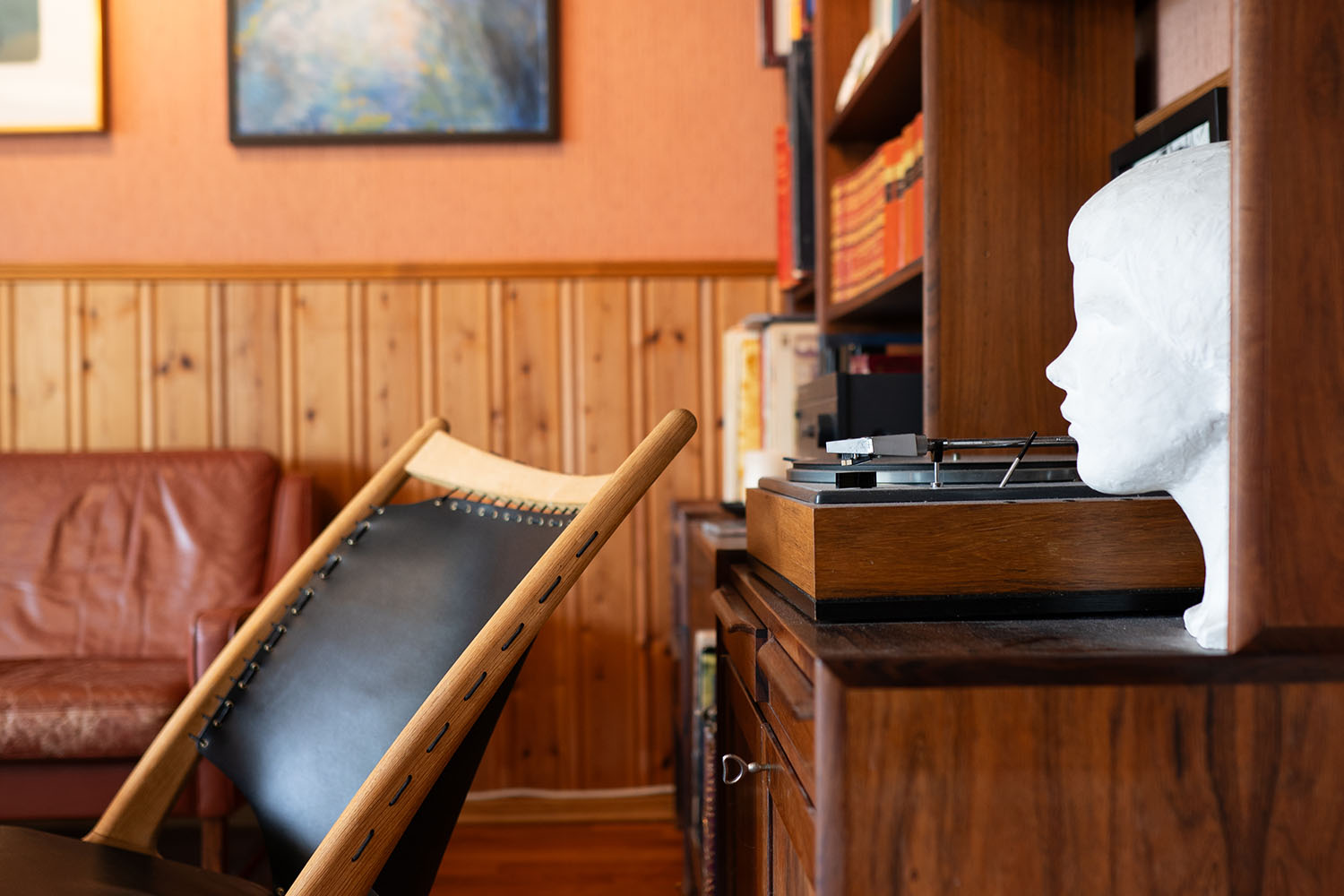
I read in an interview that he was very particular, and that he had few pieces of furniture at home. Which pieces?
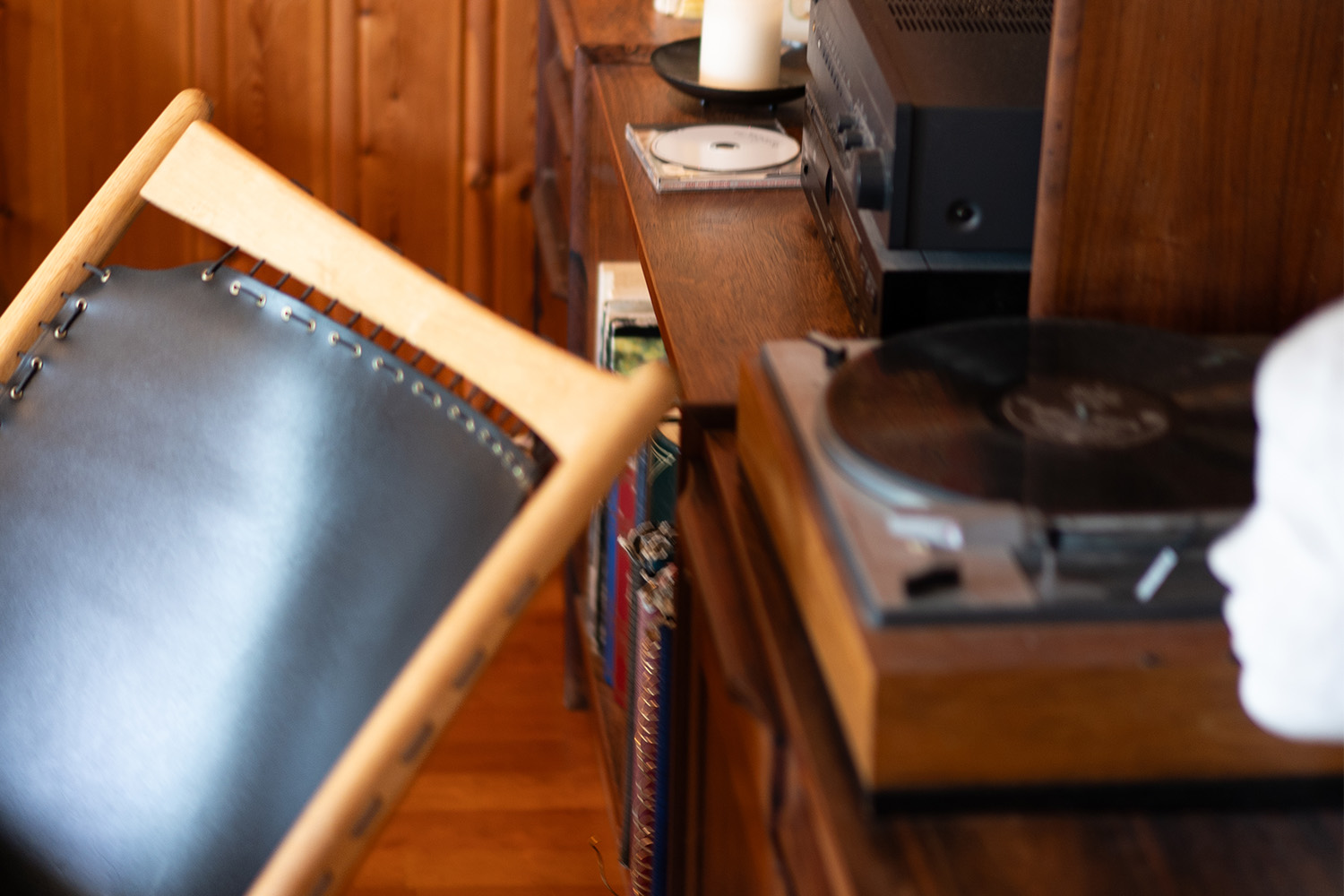
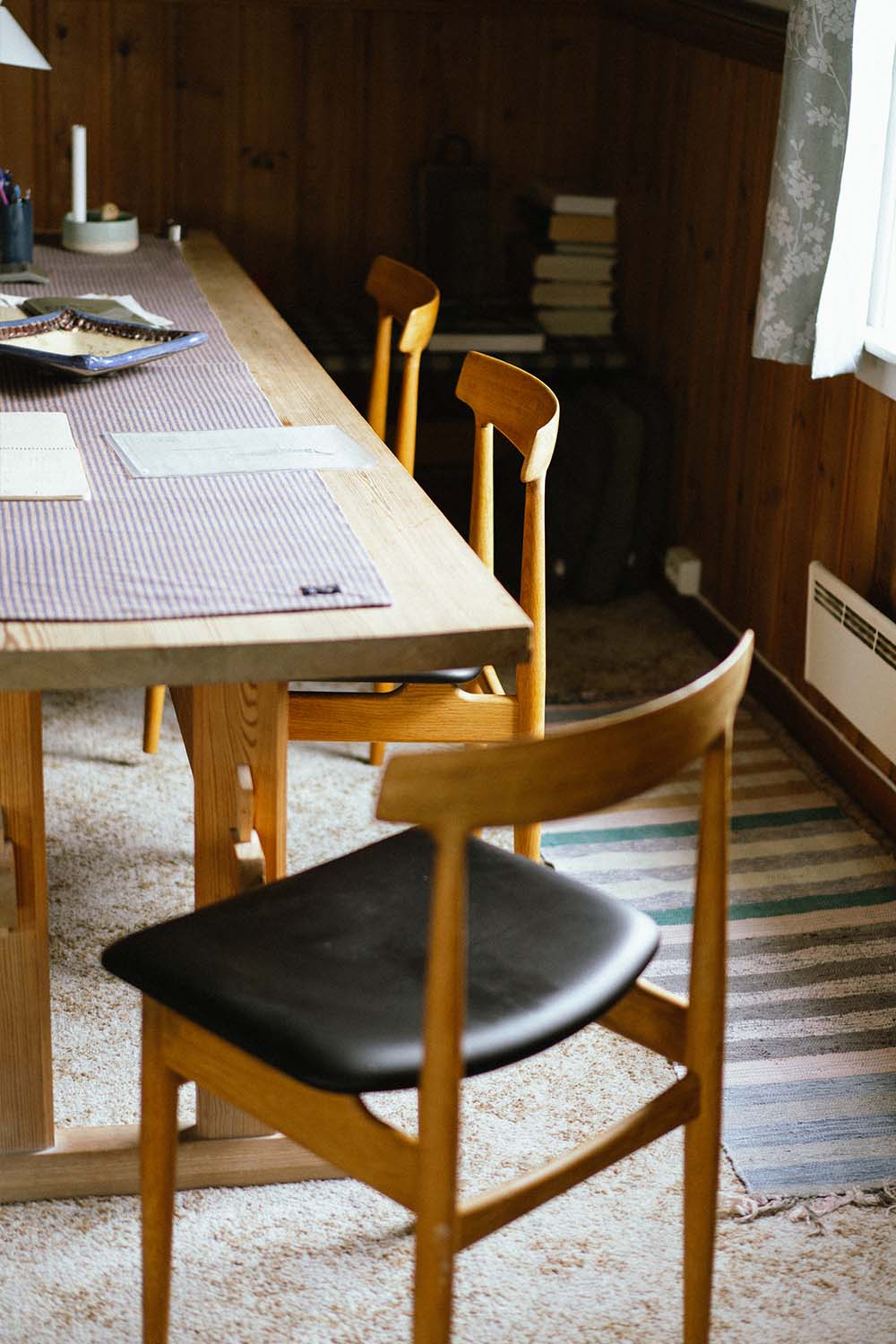
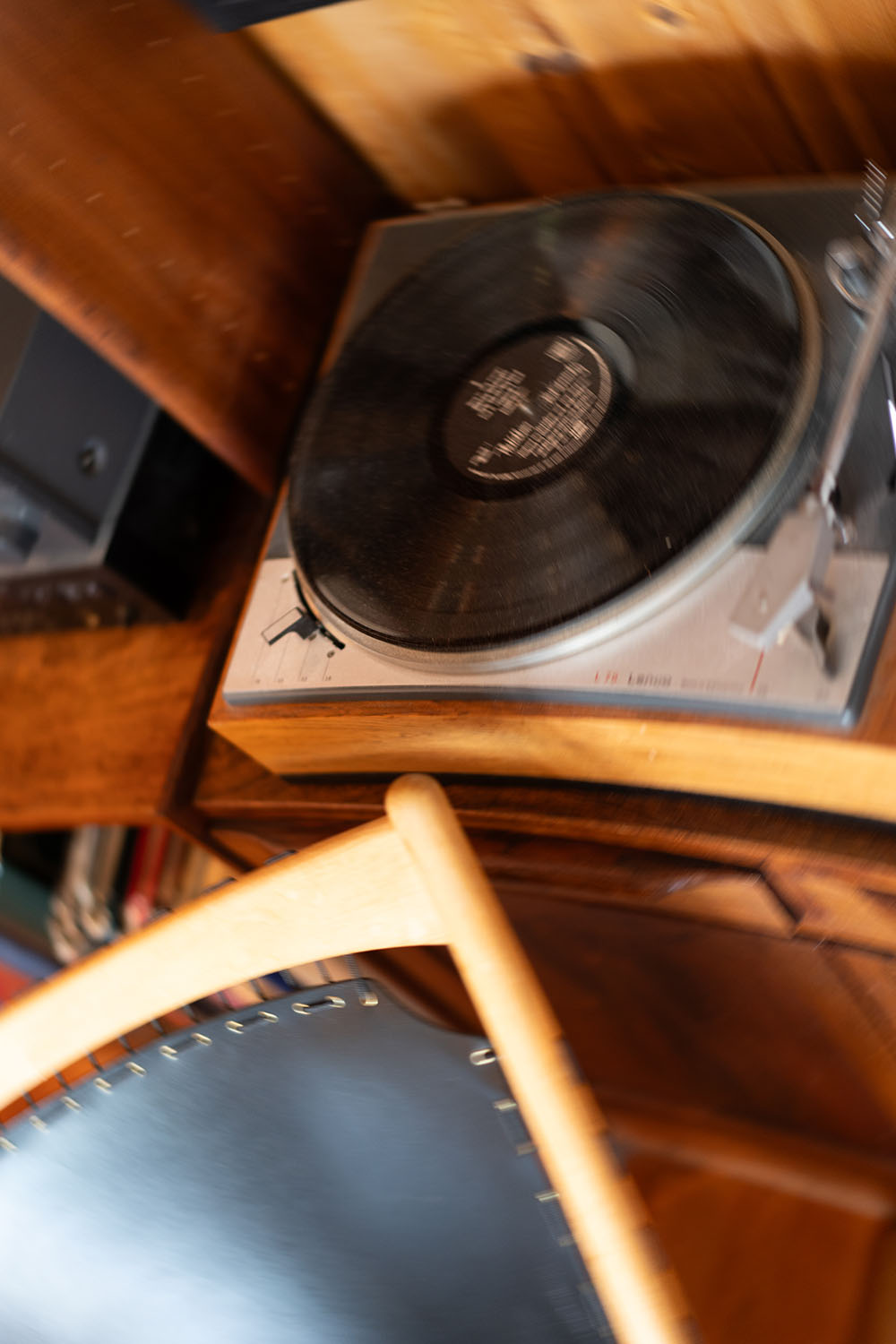
They are the ones standing in my living room. He chose them himself. He made very, very many pieces. But what I have at home is what he found worthy of his own home.
So he was particular in every area?
He was very meticulous about everything. He was a fly fisherman, for instance, and tied his own flies – and not just any flies; it was fine work. He loved fishing, and we spent a lot of time on the west coast. He was a west-coast man, always there. Which is also interesting in relation to his production: Eight weeks every summer we were in our tiny little cabin near
Rosendal. He didn’t draw there. During those weeks he thought about things, certainly, but he didn’t draw, not until the cabin was built, some time in the early sixties. Before that he could take eight weeks off. And then he worked like a wild animal for the rest of the year.
I think that is something we forget that people , especially creative people, perhaps need that time to recalibrate.
Yes, he went up into the mountains. Or they had a rowing boat; he rowed and fished and was with us, picked berries, swam, had a good time. But it was all going around in his head, all that furniture. So that eight-week pause in the summer was very important to his whole creative process.
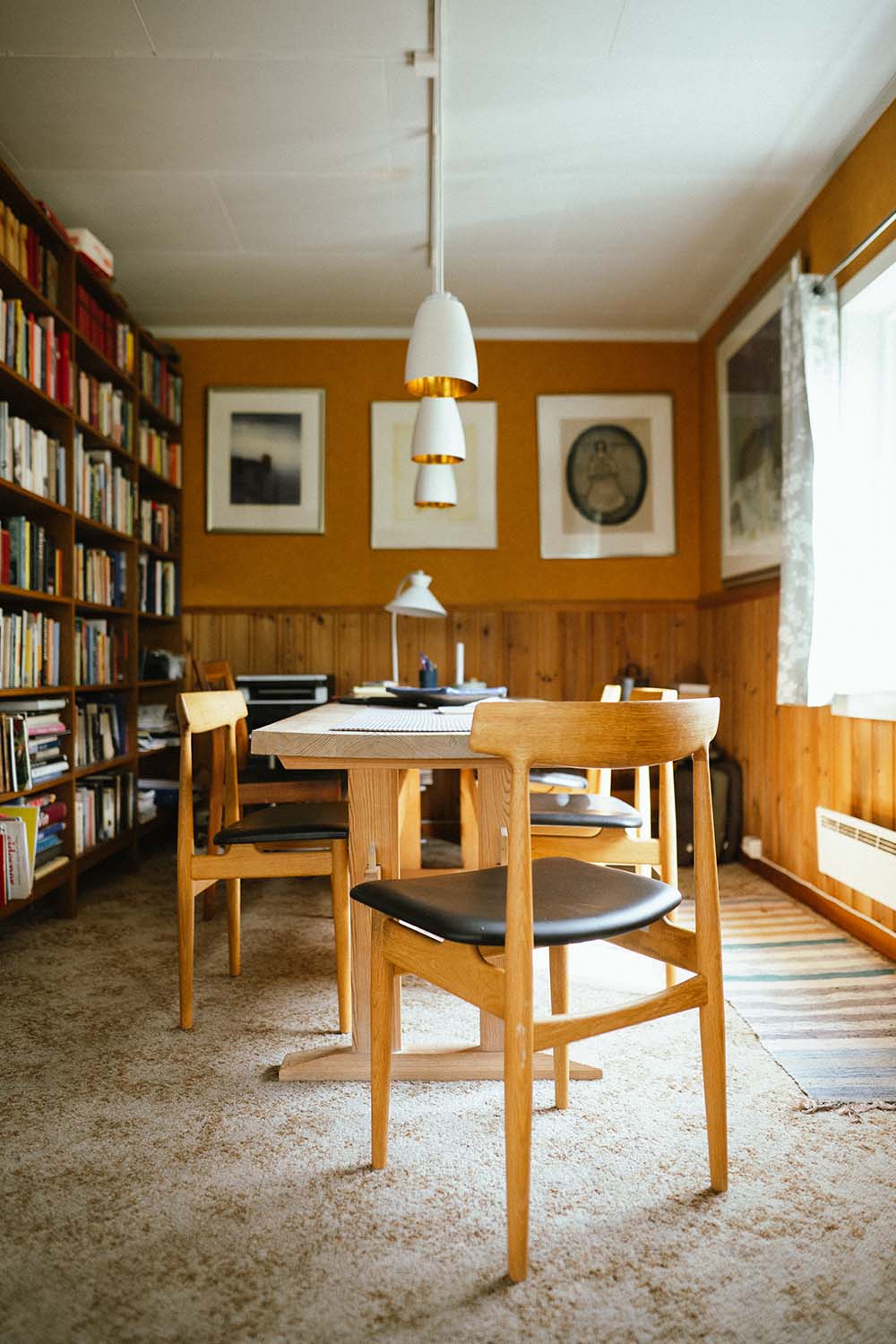
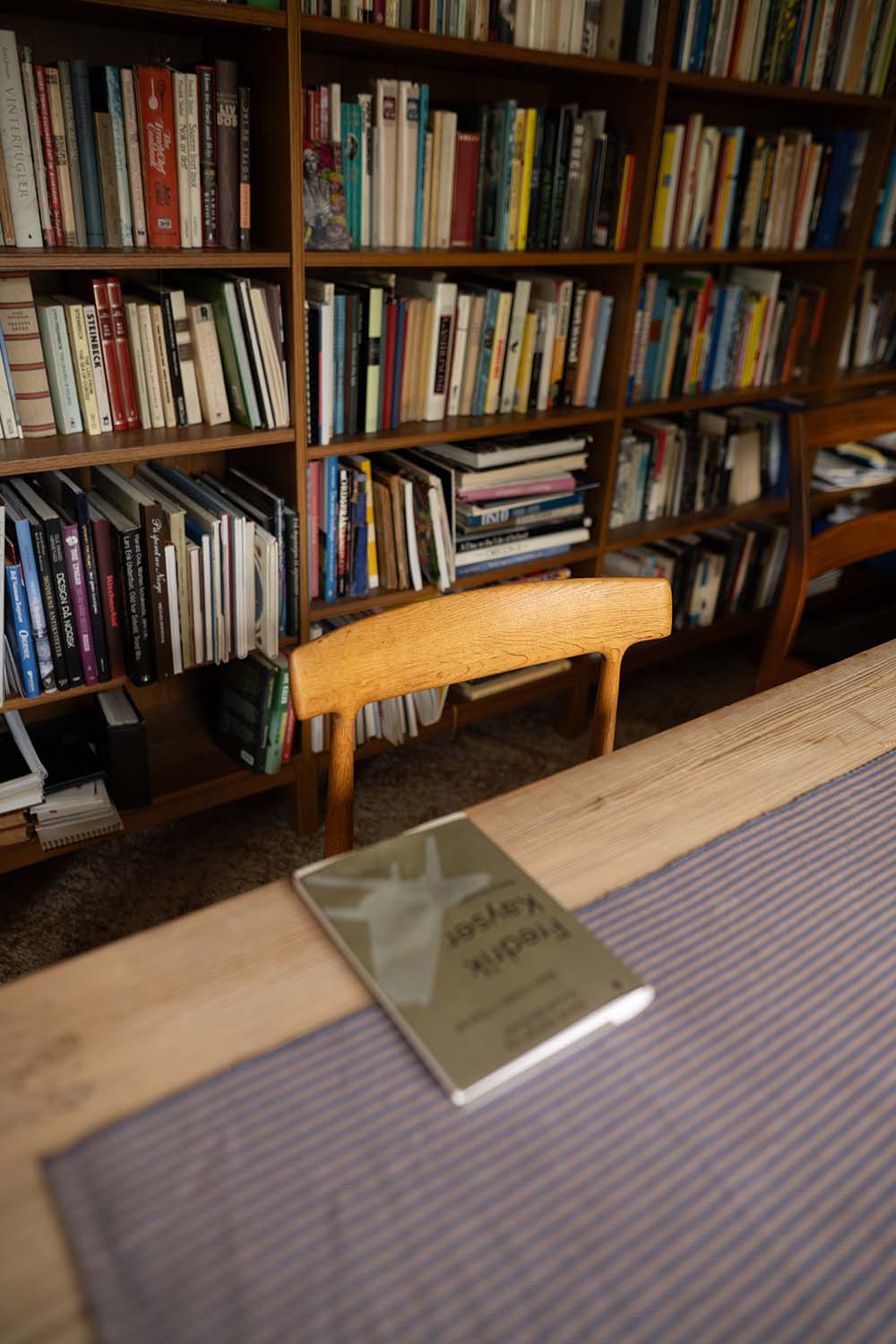
Was there anyone he looked up to? Other designers?
Yes, he had good friends among them. I can never remember him saying, “If only I were as good as so-and-so” — he thought he was good enough. But Sven Ivar Dysthe, I remember, and Alf Sture, and Knut Sæter, of course. He had very good contact with many of the other designers and great respect for them. But I can’t remember him holding up an ideal. He was very interested in Danish furniture art in general and clearly inspired by it. But not so that he went about talking of names.
These other Norwegian designers, though, Torbjørn Bekken among them, there were many he worked with, and they exchanged ideas. It was a very good environment. Many of them had studied together at the arts and crafts school, and many were brought on at Rastad & Relling. Rastad & Relling did a great deal to bring young people forward: they took them straight from the arts and crafts school, picked the biggest talents and developed them within their own field. But the problem, for my father at least, and no doubt for others over the years, was that you never got credit for what you did. They were Rastad & Relling’s pieces.
Rastad& Relling really deserve all credit for the work they did. But many of the designers broke away, because designers like my father wanted their own name on their own art. There is no doubt about that.
Like many artists do.
They are artists. No question about it. These top designers are artists.
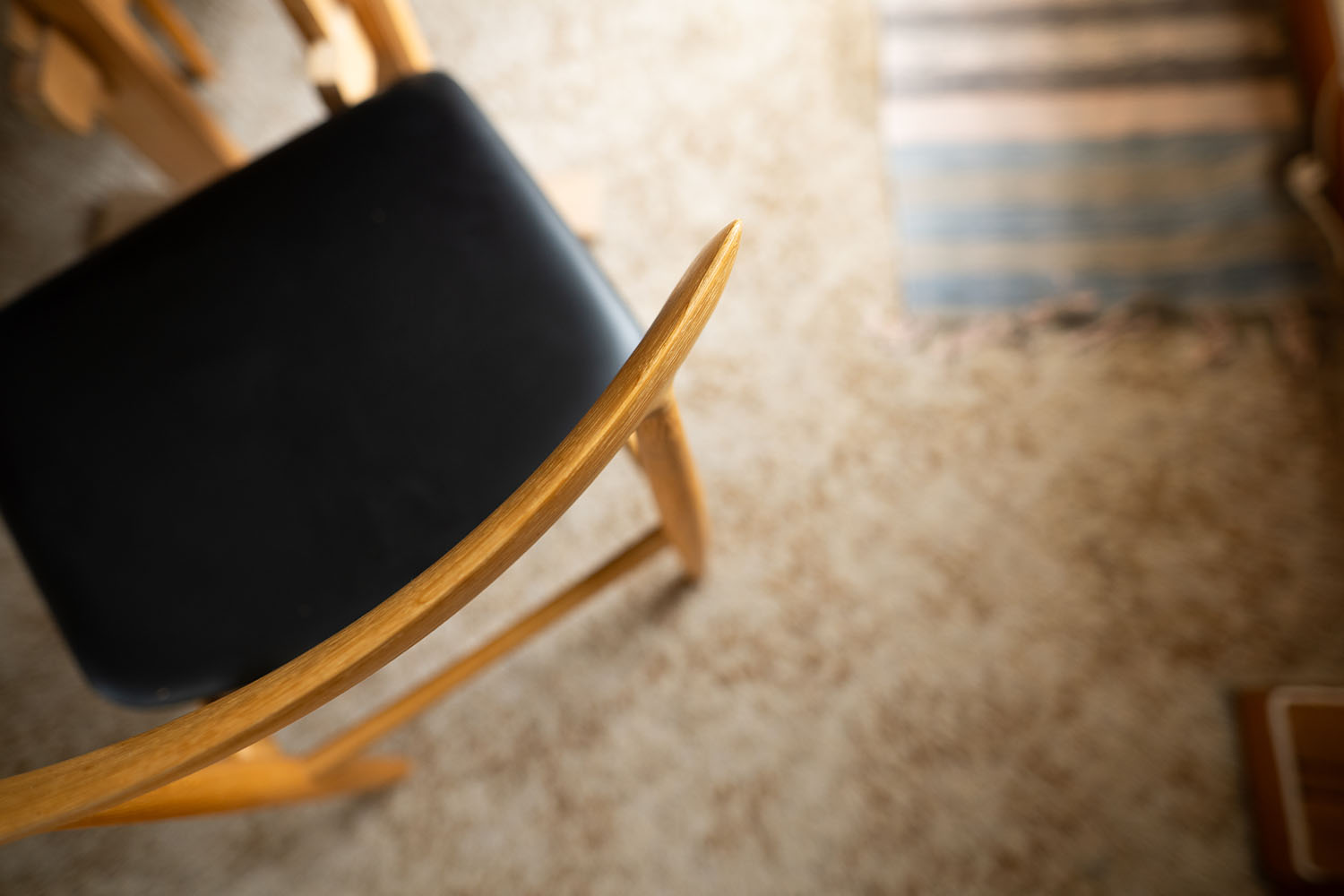
What do you think he would have made of seeing his furniture today?
He wouldn’t have been the least bit surprised. He would have found it entirely natural. “Of course,” he would have said. “I knew it would turn out like this.” So I hope he sees it somehow, wherever he is in the world. No, he wouldn’t have been surprised – at the very least he would have thought it entirely fitting.