Eikund – November 2026
What does craftsmanship actually mean?
A word can lose its meaning when it’s used too much in marketing. That was the first thought that came to mind when we sat down to talk about craftsmanship. Eikund is built on craftsmanship, yet whenever we say the word, we get the feeling that it’s thrown around far too often and used to describe almost anything.
So, we decided to break it down. To really dig into what the word means to us, and how it affects you.
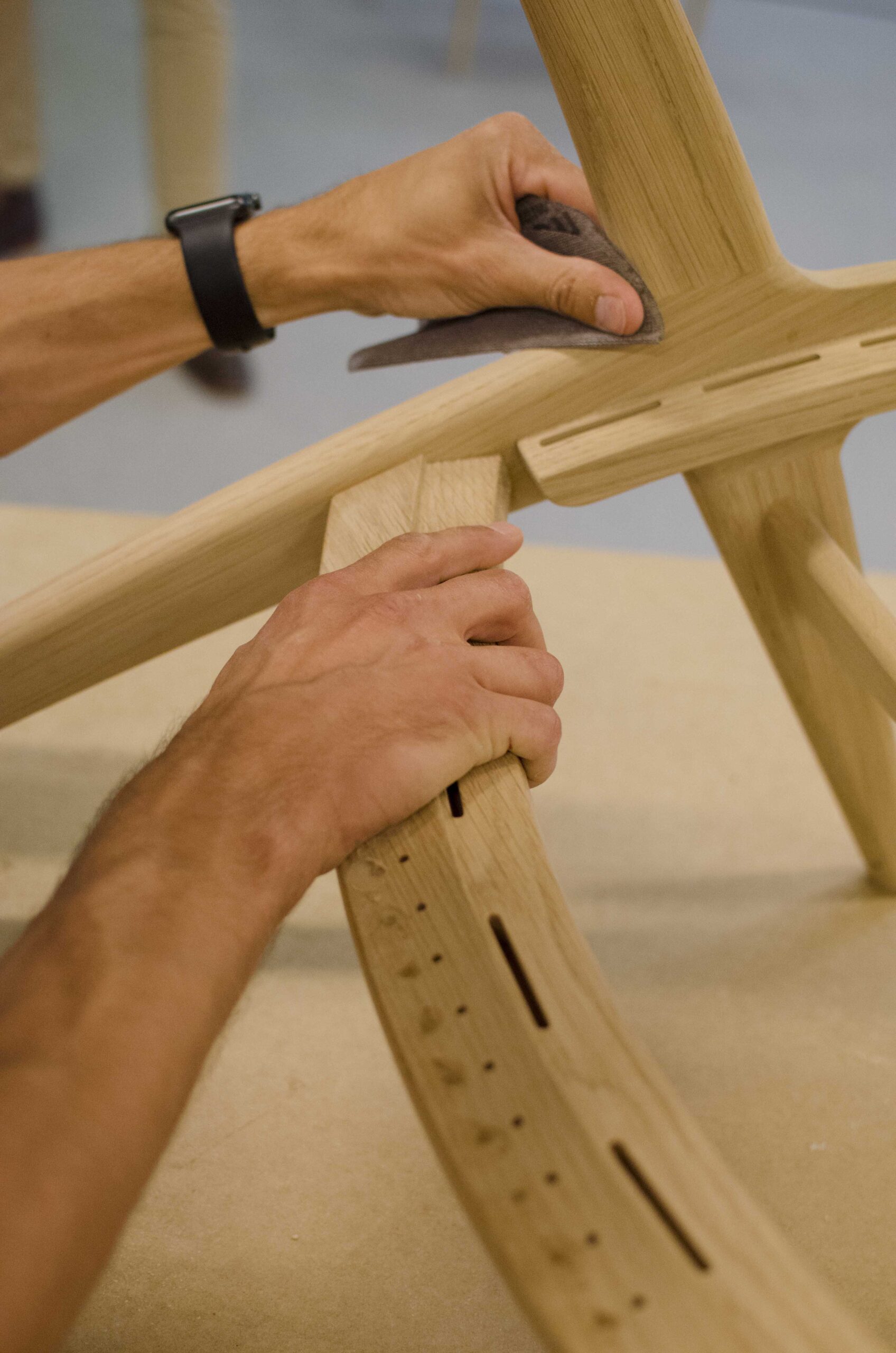
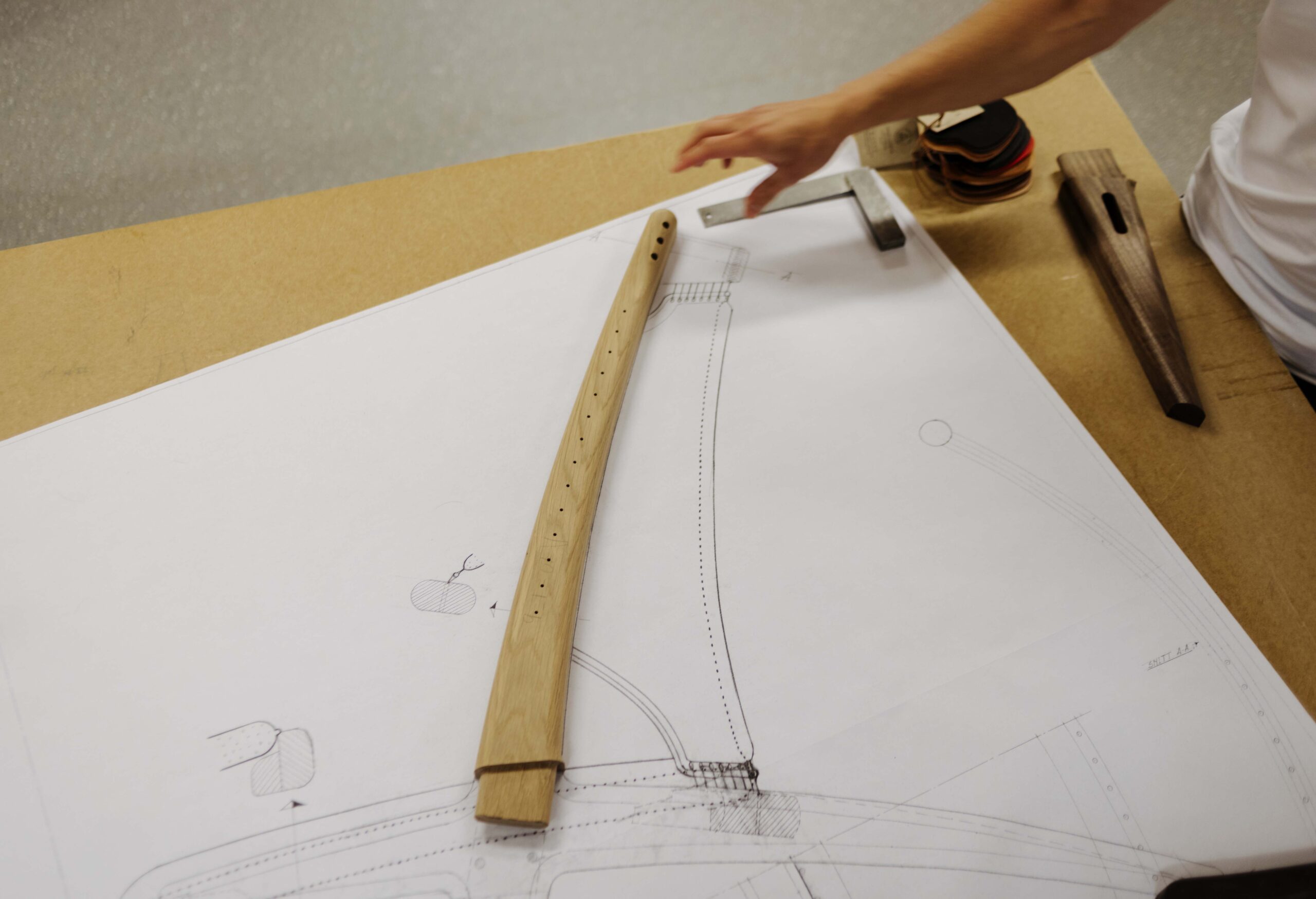
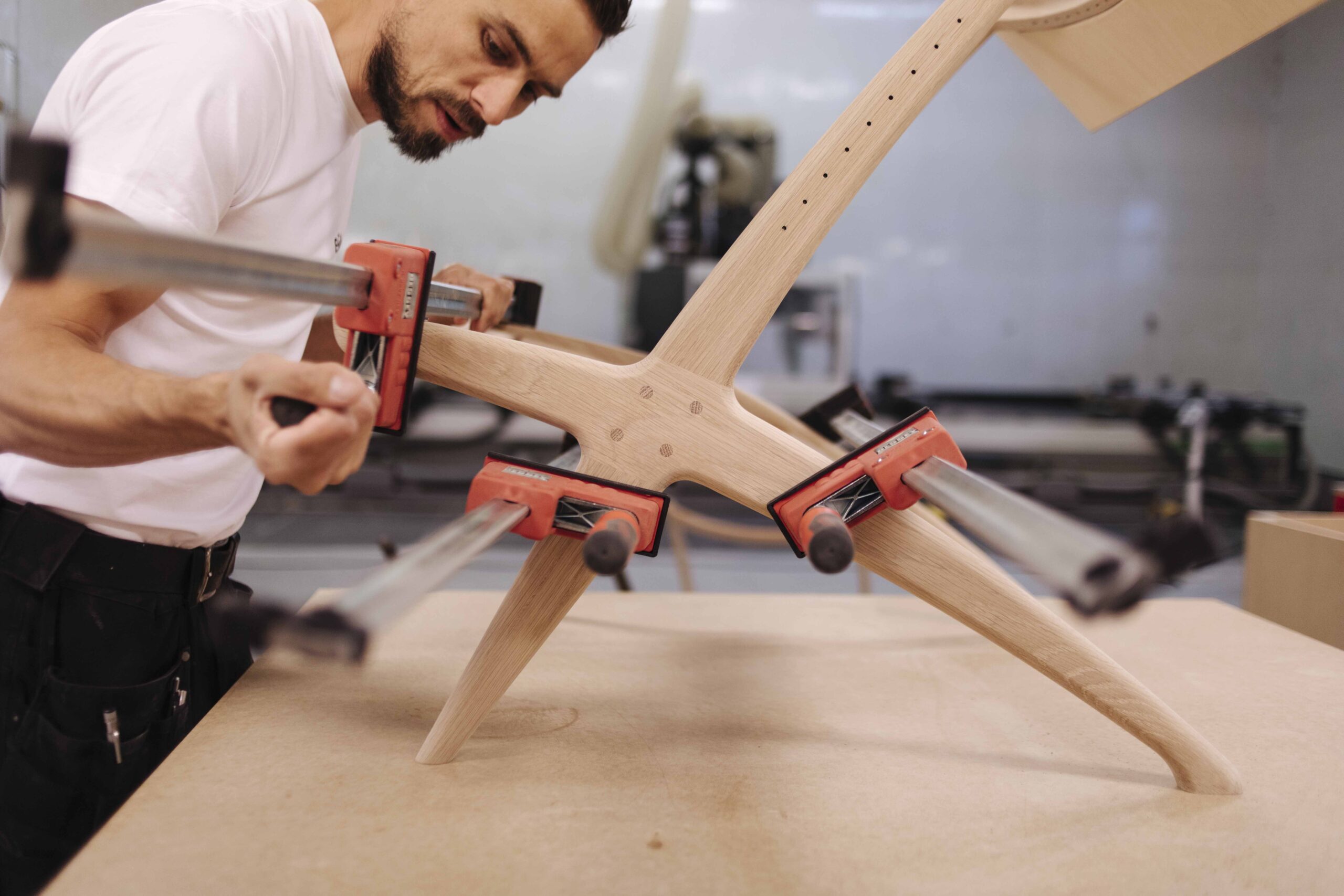
Say the word craftsmanship, and most people picture someone with tools, a pair of Carhartt trousers, a garage and natural materials. Of course, there can be good craftsmanship in almost anything, but perhaps the real meaning lies in the word itself. Craft is about making; and craftsmanship is about knowing how to make something well. It’s the combination of knowledge, skill and human decision that turns materials into something meaningful.
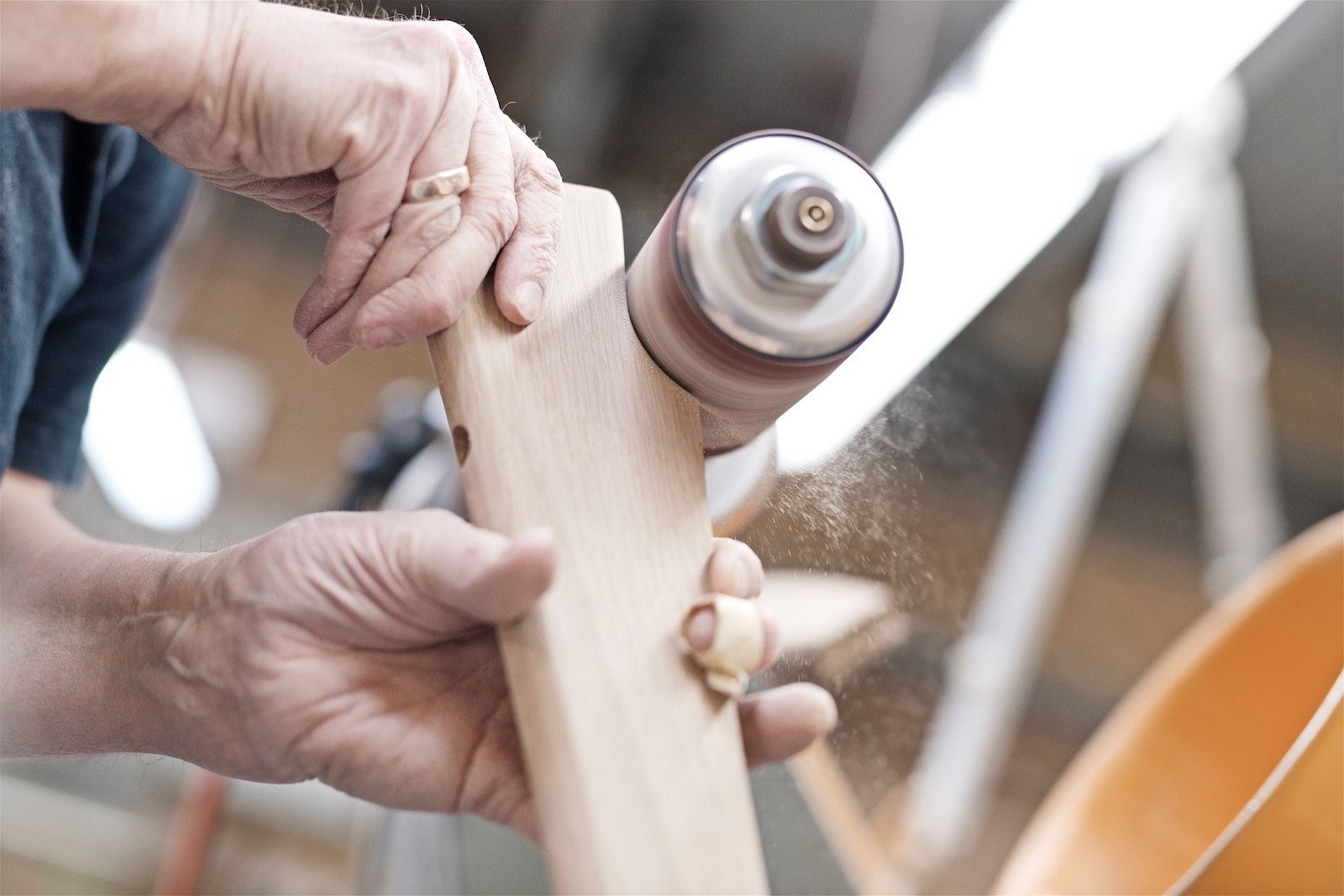
In this digital world, handmade and selfmade really is the new luxury. It’s everything AI can’t do: smell, taste, touch. All the small, tangible things that make the human experience so valuable. But craftsmanship doesn’t mean rejecting technology. Modern machinery can deliver precision that was once impossible, but it still takes human knowledge and experience to understand how and when to use it. The best results often come from combining traditional skills with modern technology.
Not every part of our chairs is made by hand, but many hands have touched each one before it reaches you.
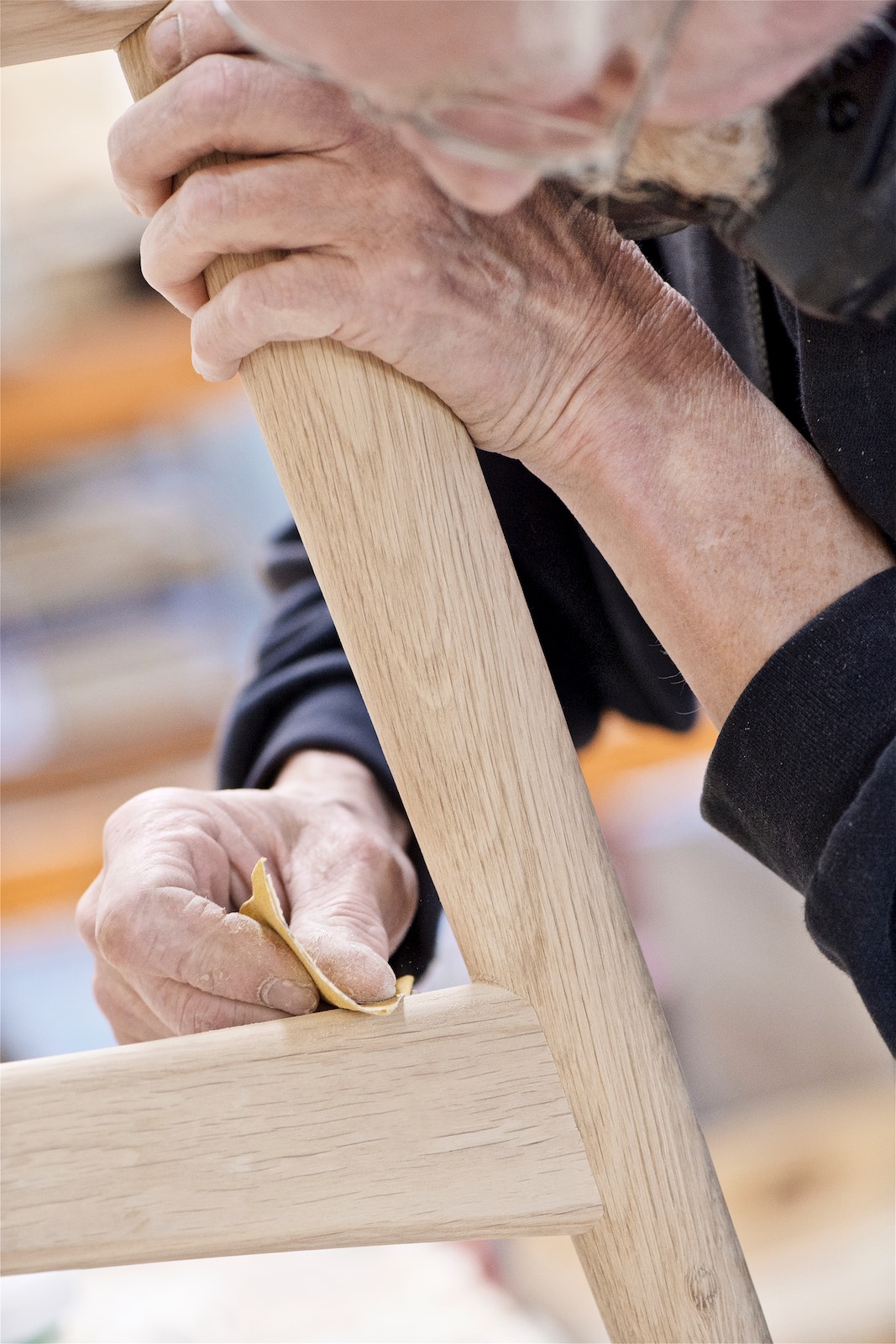
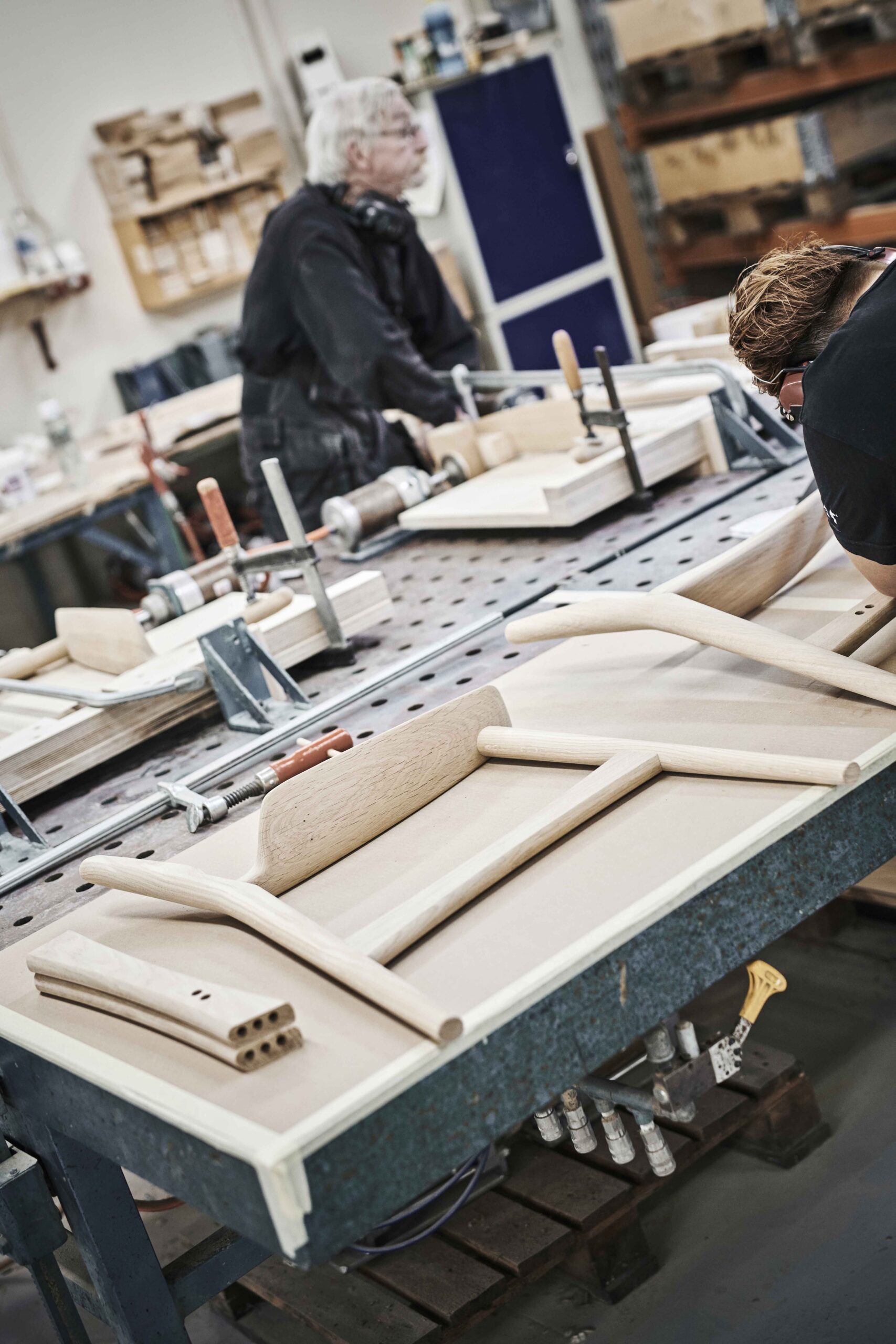
A great deal of thought and care goes into making them. It starts with the designers who first drew them in the 1950s and the adjustments we’ve made in-house. It carries on through every step of production, from sourcing certified, high-quality wood and natural leather to the skilled hands that put all the parts together. Because we know you can feel the difference.
You can feel it through weight. The solidity. The softness. The comfort. The way it looks. Every part is handled with skill and care.

But some of the most important examples of craftsmanship are the ones you’ll never see. Hidden joints, carefully selected materials and construction details that only reveal their true value after years of use. Good craftsmanship isn’t always visible, but its absence eventually becomes apparent.
We’ve said it before, and we stand by it: craftsmanship really is an art form. In the end, it all comes down to passion and dedication – and it shows.
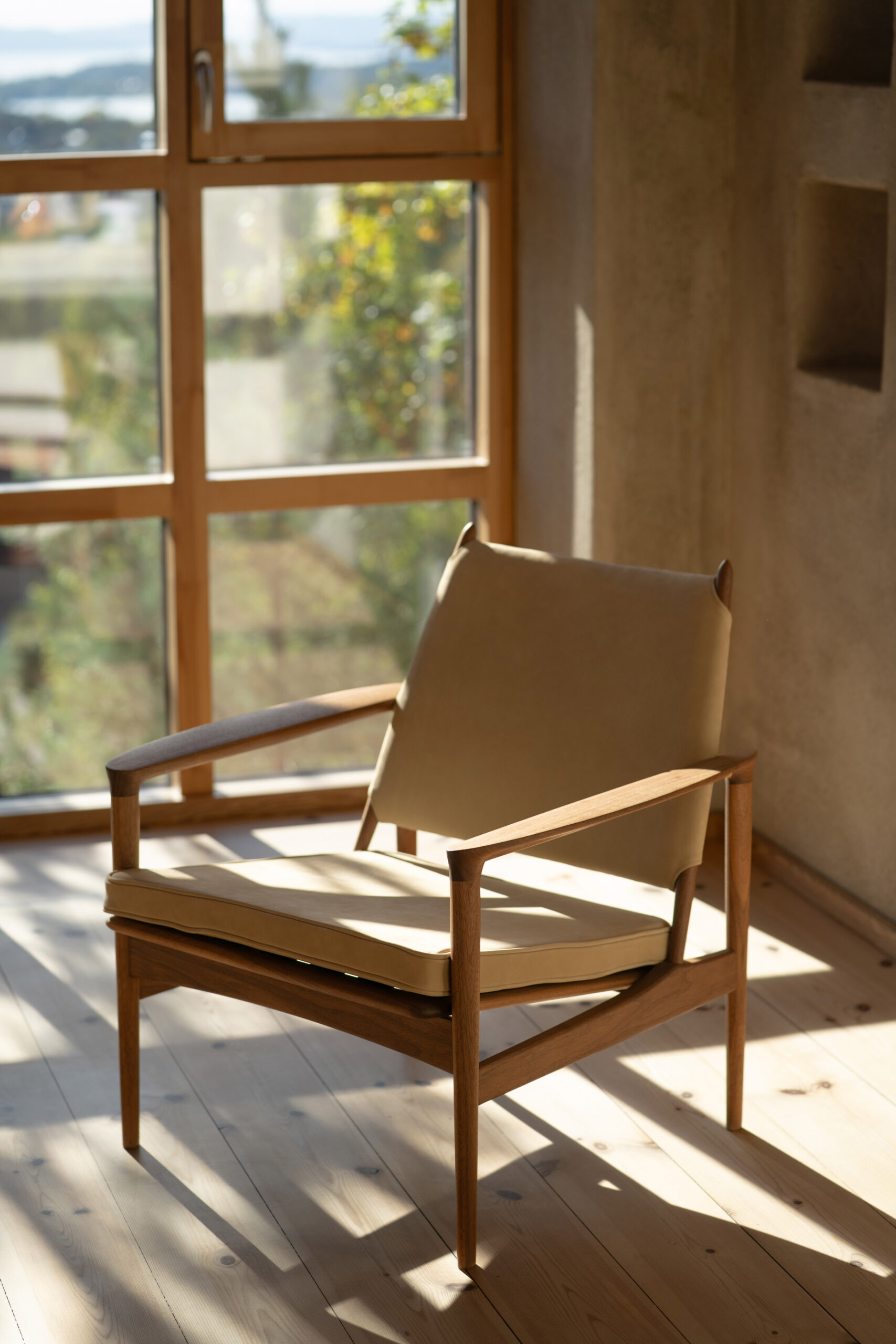
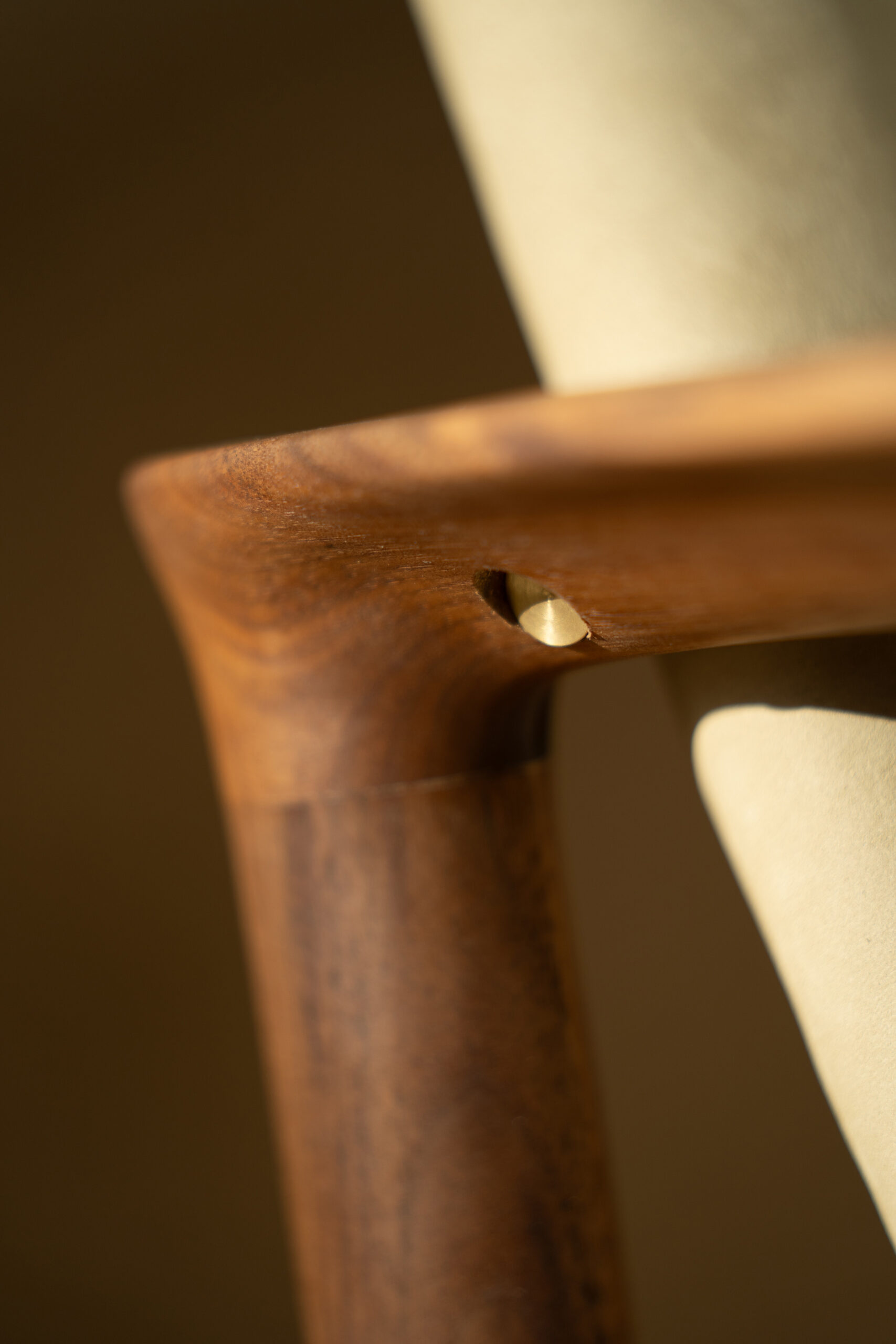
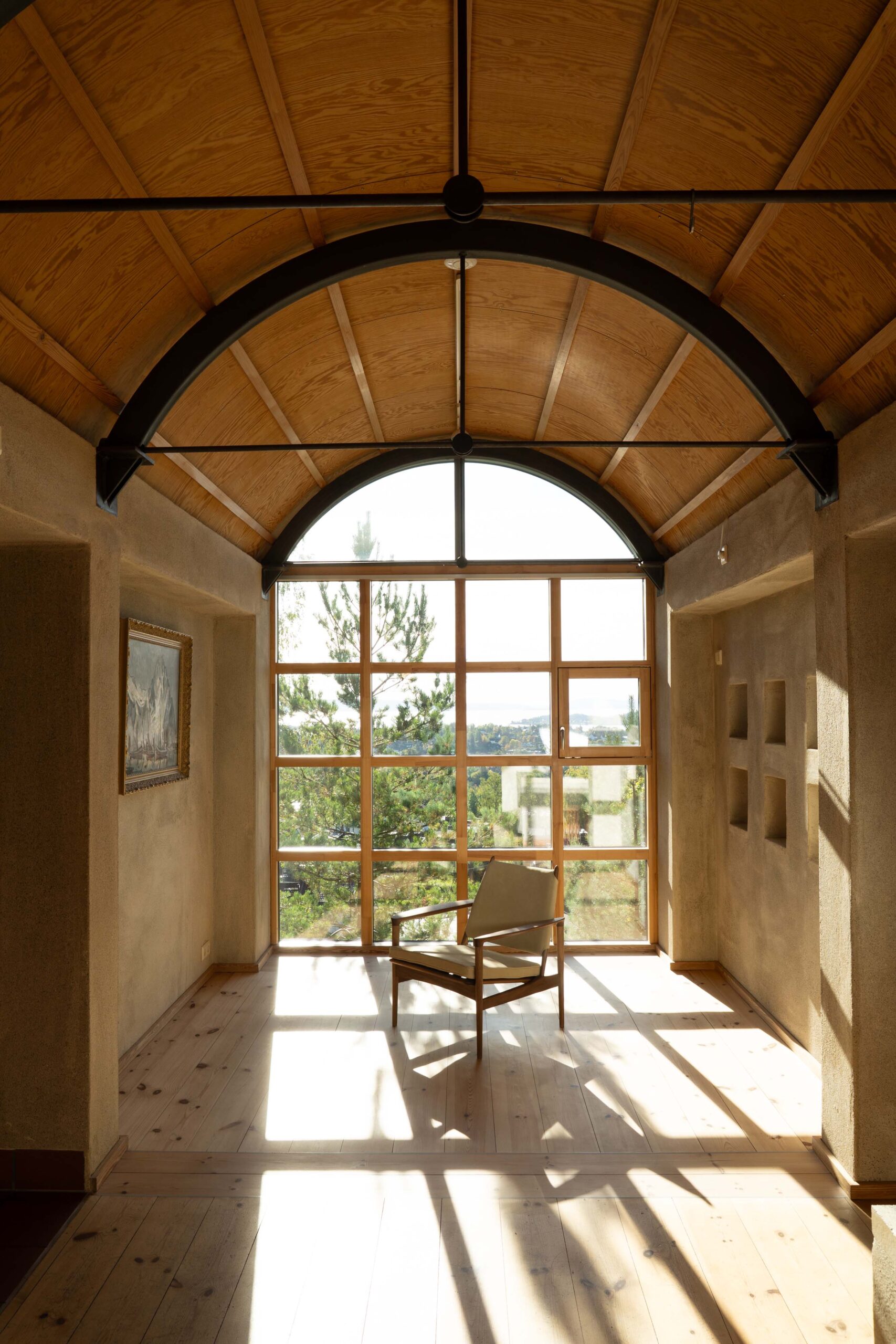
Our designs come from a time when things were more scarce than today, and most of what was made, was made properly. Since then, the world has been flooded with stuff. Often cheap stuff, available to everyone. Now we’re slowly moving into a new era. When everything is available to everyone, we become more selective about the objects we surround ourselves with. Once again, quality rather than accessibility is at the forefront of people’s minds. And in an increasingly digital world, the physical things around us start to feel more valuable again.
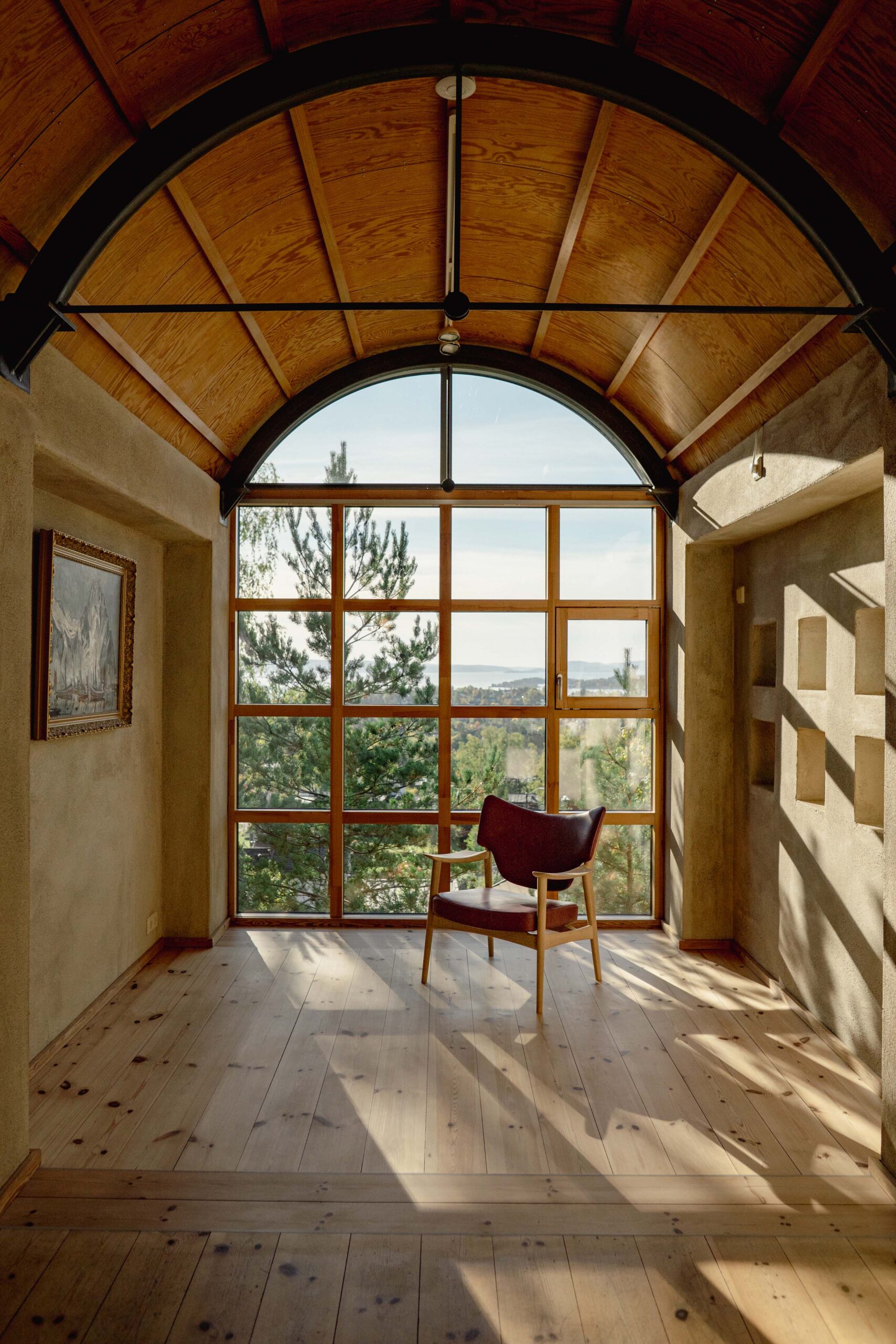
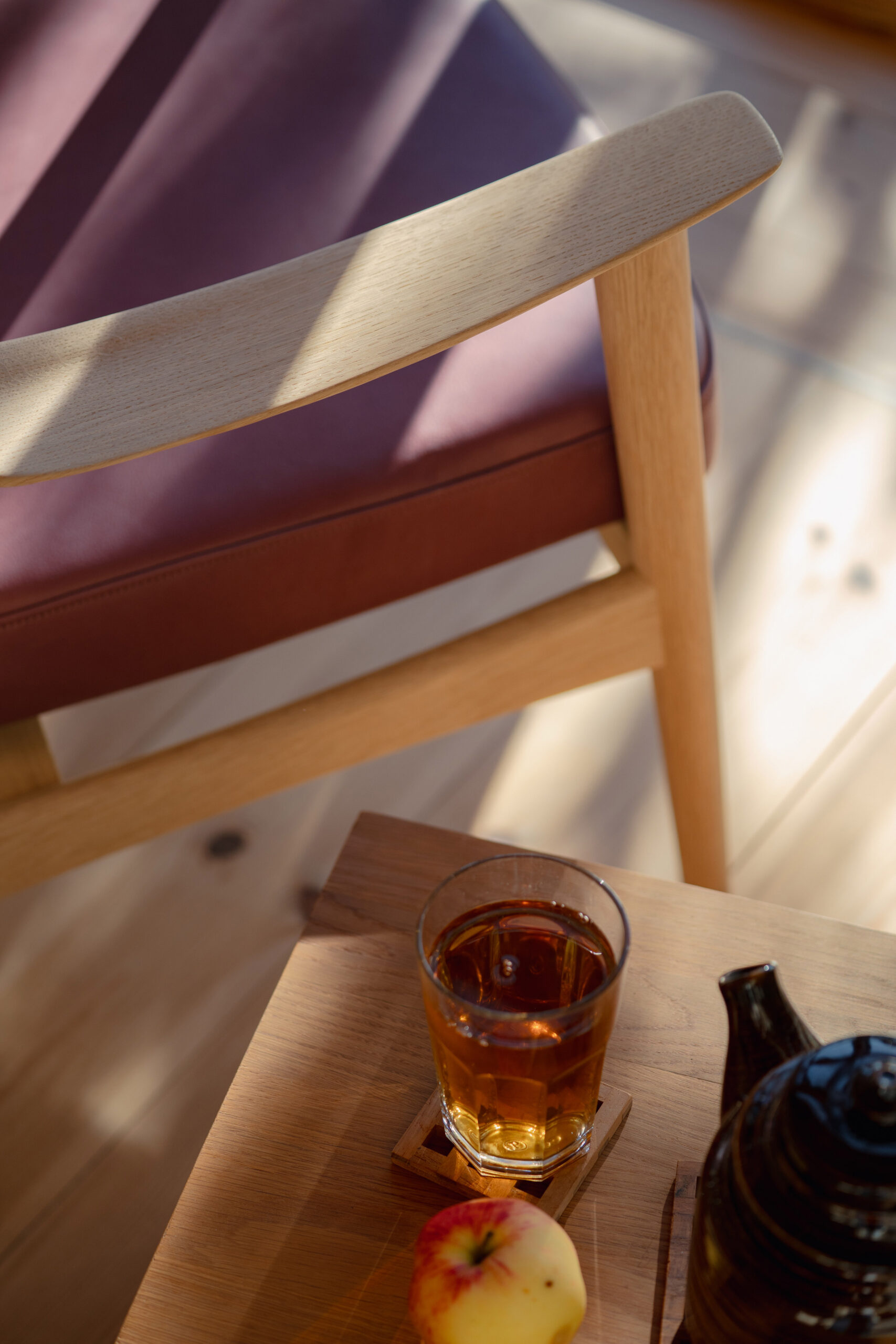
So for us, craftsmanship means the thought that goes into every part of the process. The quality of every material. The people working hands-on along the value chain. And a finished product that will last a lifetime – and, when the time comes, can easily be restored to last another.
Craftsmanship also means respecting the intentions of the original designer. Understanding why a particular curve, proportion or construction detail was chosen, and finding ways to reproduce it without losing its character. Sometimes that means using modern technology. Other times, it means preserving techniques that have been used for generations.
Craftsmanship is a skill. A mindset. And, in the end, a beautiful object.